

It’s one of the most frustrating patterns in modern careers: high performers get stuck at the same level for years, while colleagues who do noticeably less work climb past them. If you’ve ever delivered outstanding results, stayed late, solved the problems nobody else wanted to touch and still watched someone less skilled get promoted first you’re not imagining it. There’s a well-documented, predictable reason this happens, and understanding it is the first step to breaking out of it.
What It Really Means When High Performers Get Stuck
Being “stuck” doesn’t mean underperforming. It means your output has stopped translating into opportunity. You’re still the person managers rely on to fix the hardest problems, hit the tightest deadlines, and train the newest hires but the promotions, the high-visibility projects, and the pay rises are going to someone else. That gap between effort and advancement is the exact space where average performers quietly move ahead.
The Uncomfortable Truth: Why Average Performers Move Ahead Faster
Career growth is not purely a meritocracy. Decision-makers promote people they trust with ambiguity and visibility, not just people who execute well. That single distinction explains most of the gap.
They Master Visibility, Not Just Output
Average performers tend to talk about their work in rooms where decisions are made. High performers often assume the results will “speak for themselves” and skip the conversation entirely so leadership simply has less evidence to point to when a promotion case comes up.
They Build Relationships Before They Need Them
Networking and sponsorship inside a company matter as much as skill. Average performers frequently invest time in cross-team relationships and mentorship long before they need a favour, so when a seat opens up, someone is already advocating for them in the room.
They Say Yes to Change While High Performers Protect Mastery
High performers often get comfortable being the best at one narrow thing. Average performers are more willing to step into unfamiliar, higher-risk projects and that willingness to stretch is frequently read by leadership as “promotion-ready,” even when the underlying skill level is lower.
6 Reasons High Performers Get Stuck in Their Careers
- Over-reliance on quiet excellence: assuming great work gets noticed without needing to be communicated.
- Becoming the “go-to fixer”: getting so essential in your current role that leaders are reluctant to move you out of it.
- Avoiding internal politics: treating relationship-building and self-promotion as beneath the work, rather than part of it.
- Perfectionism over speed: spending extra hours polishing details that stakeholders never asked for, instead of shipping and iterating.
- Narrow skill depth: being excellent in one tool or process, but not building the broader, transferable skills the next level requires.
- Waiting to be picked: expecting a manager to nominate you for stretch projects instead of asking for them directly.
The Skills Gap No One Talks About: Why Data Literacy Breaks the Cycle


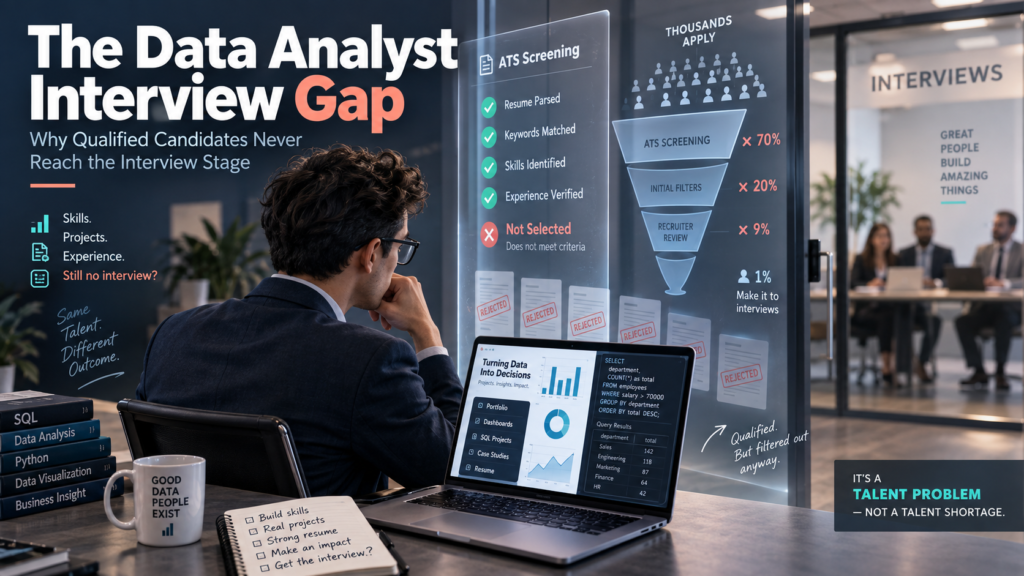
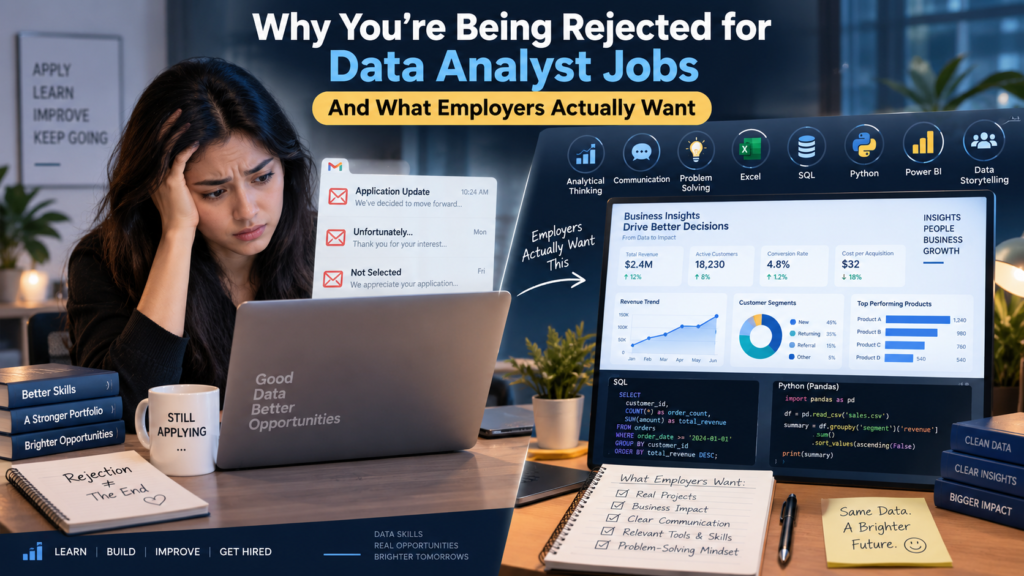
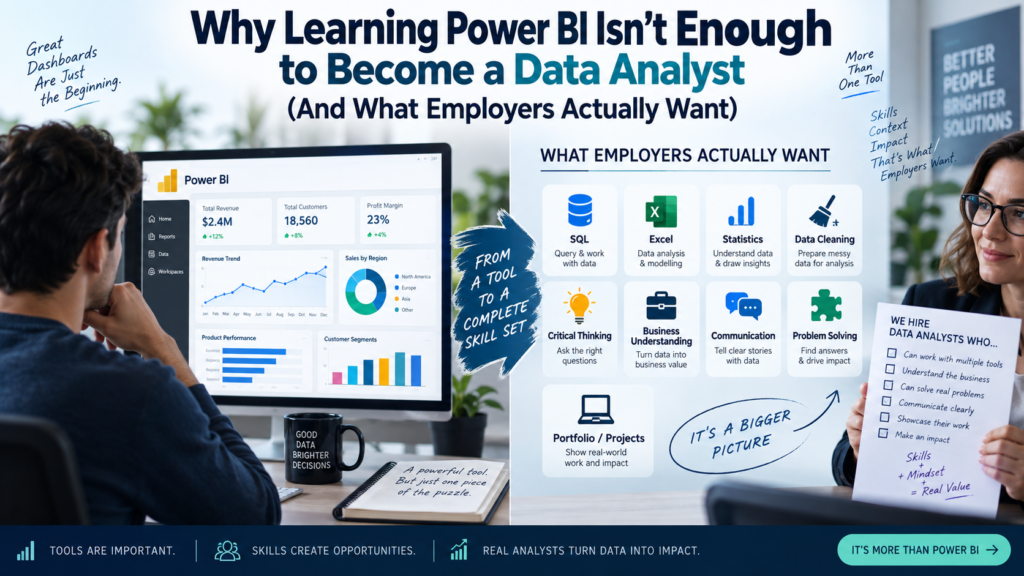
One pattern shows up again and again among people who finally break out of the stuck cycle: they add a visible, measurable skill that lets them speak leadership’s language data. Being able to say “here’s the dashboard that shows the impact of what I did” is far more persuasive than saying “trust me, it went well.” This is exactly why professionals in Sydney, Melbourne, Brisbane, and Perth are increasingly pairing their existing expertise with a structured data analytics course it turns quiet, hard-to-see effort into a dashboard, a forecast, or a business case that a promotion panel can actually point to.
You don’t need to become a full-time data scientist to benefit. Even foundational skills in data visualisation, reporting, and basic statistical analysis give high performers a way to package their results in the format decision-makers actually respond to numbers, trends, and visuals, not just a track record of hard work.
How to Stop Being a High Performer Who Gets Stuck
Breaking the pattern rarely requires working harder. It requires working differently, in ways that are uncomfortable at first.
- Narrate your impact. Send a short monthly note to your manager summarising outcomes, not just tasks completed.
- Ask for the stretch project. Don’t wait to be nominated — request visible, cross-functional work directly.
- Build a sponsor, not just a mentor. A sponsor advocates for you in rooms you’re not in; a mentor only gives advice.
- Add a measurable skill. Data, financial modelling, or project management credentials give your work a scoreboard.
- Protect your time from perfectionism. Ship at 90% and redirect the saved hours toward visibility and relationships.
Independent research backs this up: coaches who work with frustrated top performers consistently point to under-selling impact and low internal visibility as the leading reasons high performers get stuck while less-skilled colleagues advance see this breakdown of why strong performers get passed over for promotion. Separately, HR research on managing high-potential employees shows that companies actively track visibility and sponsorship, not just output, when they decide who moves up next.
Frequently Asked Questions
Why do high performers get stuck while average performers get promoted?
Promotion decisions weigh visibility, relationships, and demonstrated readiness for ambiguity as heavily as raw output. Average performers who actively manage their visibility often out-pace quietly excellent colleagues.
How long does it take to get unstuck?
Most people see movement within two to three performance cycles once they consistently narrate their impact, take on visible stretch work, and build a sponsor relationship rather than waiting to be noticed.
Does learning data analytics really help a stalled career?
Yes data skills let you convert everyday work into evidence: charts, dashboards, and measurable outcomes that are far easier for a promotion panel to evaluate than a general reputation for being reliable.
Final Thoughts
If you recognise yourself in this pattern, the fix isn’t to work harder it’s to make your work visible, build the relationships that advocate for you, and add a skill that turns your results into evidence. A data analytics course is one of the fastest, most practical ways to do exactly that, whether you’re based in Sydney, Melbourne, Brisbane, Perth, or anywhere else in Australia. The people who stop being high performers who get stuck are rarely the ones who work the most hours they’re the ones who learn to make their impact impossible to overlook.